

Next Day Delivery
Available in Ireland
Available in Ireland

Click and Collect
In Store
In Store

We Service
What We Sell
What We Sell



Showing 1–20 of 46 resultsSorted by popularity




| Project decision | What it controls |
|---|---|
| Profile, groove, rebate or joint | Cutter geometry and whether a bearing, template or jig is needed |
| Cut dimensions | Cutter diameter, cutting length, radius or angle |
| Router or table | Shank size, capacity, speed range and mounting considerations |
| Guidance method | Template, guide bush, bearing, fence or project-specific jig |
| Material and finish | Cut sequence, feed approach and the suitability of the cutter for the material |
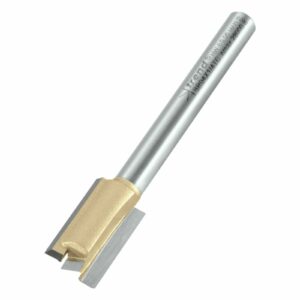
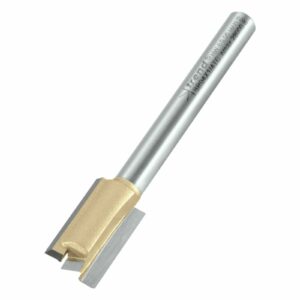
Names such as two-flute, round-over, dovetail, rebate and hinge-recess describe different cutting tasks, but the dimensions complete the choice. Match shank diameter to the router collet and check cutter diameter, cutting length and any bearing or guide arrangement. Never assume that two cutters with a similar profile are interchangeable.
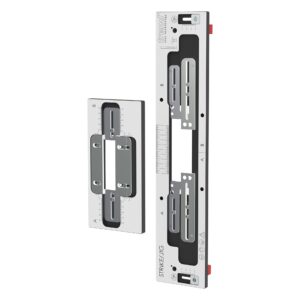
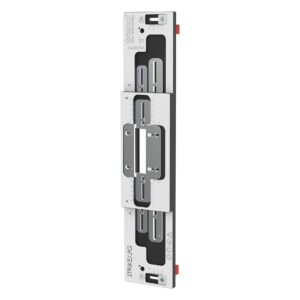
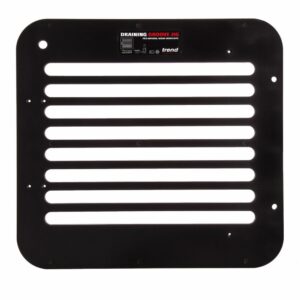
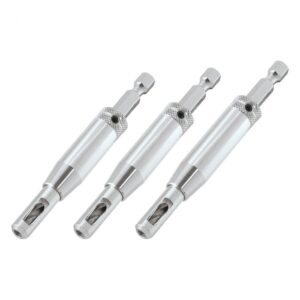
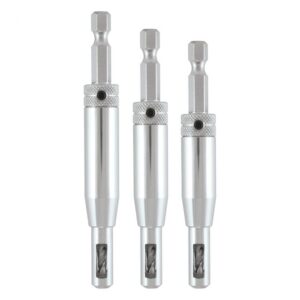
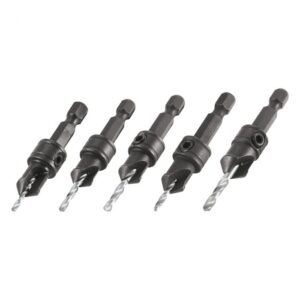
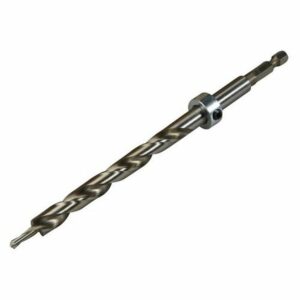
Strike and keep, stair trenching, draining-groove, pocket-hole and drill-guide products solve different layout problems. Begin with the joint or repeated feature, then read the jig’s capacity and required cutter, guide or drill components as one setup.
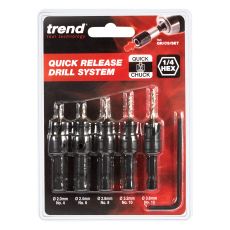
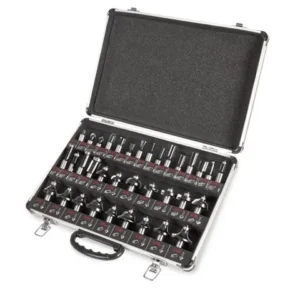
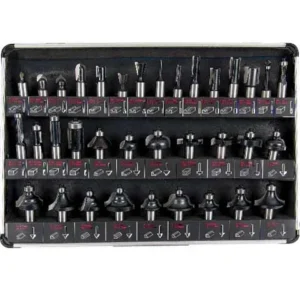
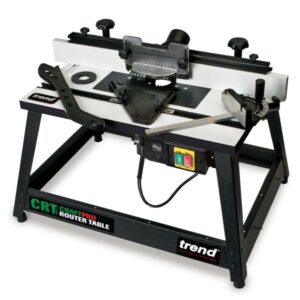
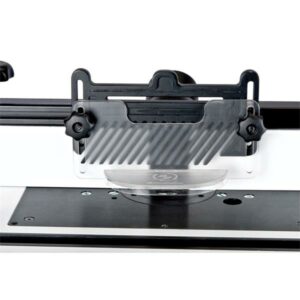
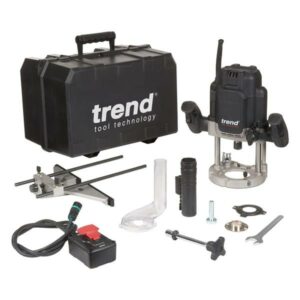
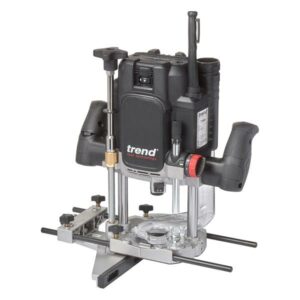
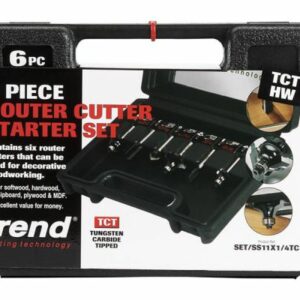
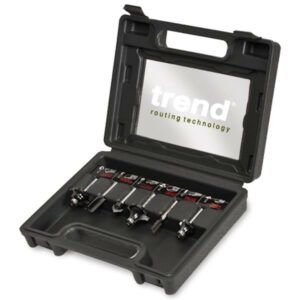
A starter set can cover varied workshop tasks; a single cutter can be the better answer for a known profile or repeated production step. Compare the included profiles and shank sizes with the router already in use. For tables and routers, check mounting, collet and electrical details on the exact listing. Individual pages show the current stock position.
Define the cut, then match the profile, shank diameter, cutter diameter, cutting length and any bearing or guide requirement to the router and project.
The shank must suit the router collet, and the cutter dimensions and operating guidance must fall within the router manufacturer’s requirements.
A jig is useful when a joint, recess or groove must follow a defined layout or be repeated. Select it by project type and confirm the required cutter and guide components.
Choose a set for a useful spread of profiles only if its shanks and cutters suit your work. For a known repeated profile, an individual cutter may be more direct.